


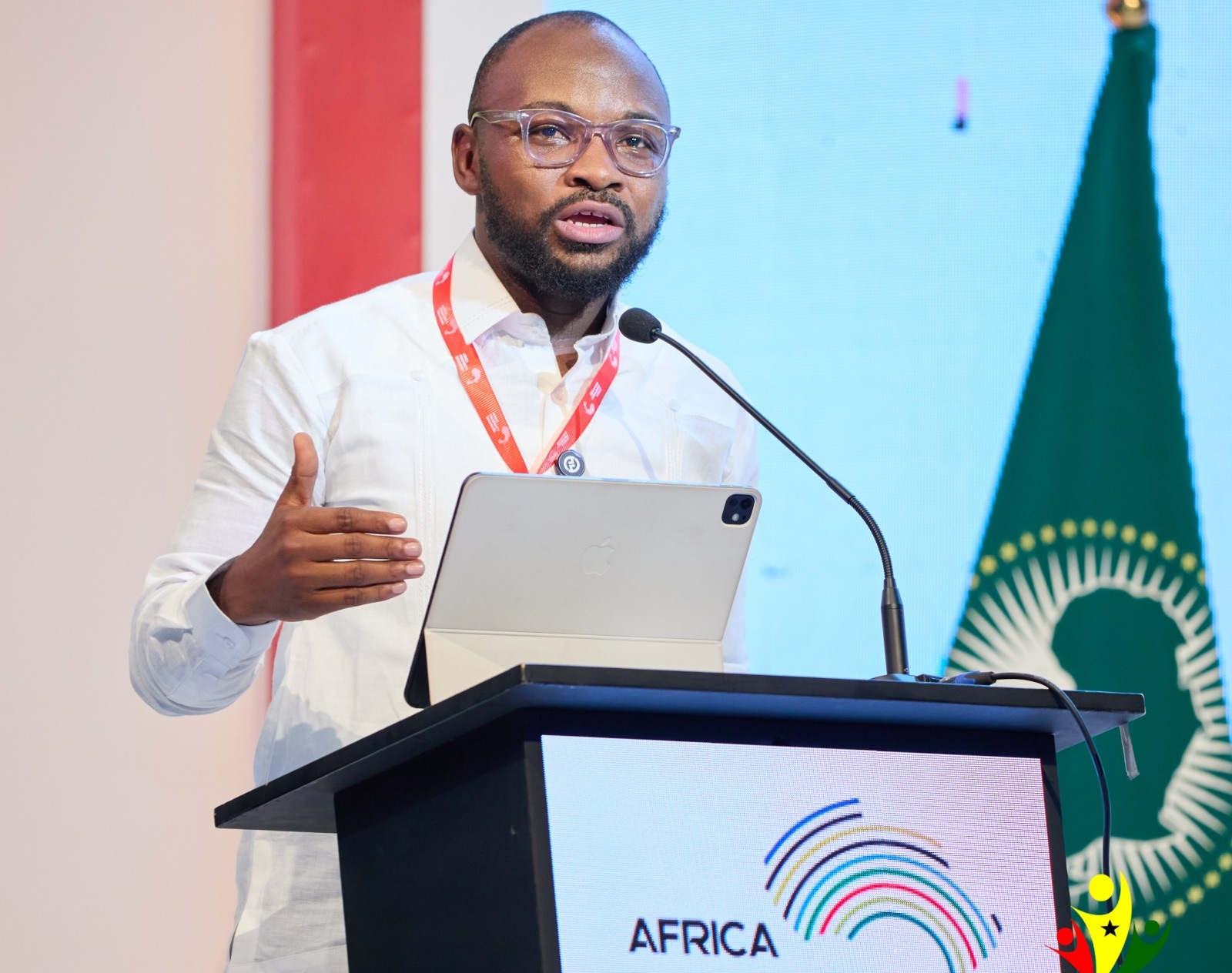
The Chief Executive Officer of the National Youth Authority (NYA), Osman Abdulai Ayariga, Esq, has cautioned that the African Continental Free Trade Area (AfCFTA) risks underperforming if it is implemented as a goods-only agreement that ignores the mobility and protection of Africa’s youthful talent.
Delivering a keynote address at the African Prosperity Dialogue under the theme “Africa Without Borders: Youth, Creativity, and Power in an Integrated Africa,” Mr Ayariga stressed that Africa’s integration agenda must place young people, creativity, and services at its core.
He noted that while AfCFTA has created a single market of over 1.4 billion people with a combined economic output exceeding US$3 trillion, markets are ultimately built by people, not goods alone.
“If AfCFTA is implemented as a goods-only agreement, it will structurally fail Africa’s youth,” he said.
According to the NYA CEO, the fastest-growing segments of the global economy today are services, digital production, and the creative industries—sectors driven by skills, mobility, and innovation. However, Africa currently captures less than one percent of global creative economy value, a gap he attributed to policy failures rather than lack of talent.
Mr Ayariga cited Nigeria’s film industry as an example of what happens when ecosystems attract capital. Between 2016 and 2022, global streaming platforms invested about US$40 million into Nollywood, enabling African stories to reach global audiences at scale.
He argued that culture has evolved beyond soft power to become a tool of economic and diplomatic influence, urging African governments to deliberately invest in cultural diplomacy or risk being defined by others.
The NYA CEO called for urgent political action, including mutual recognition of skills across borders, labour-sensitive mobility frameworks, and a managed free movement regime that allows Africans to live, work, and create across the continent with dignity.
“Africa’s youth are already borderless in imagination and ambition. Policy is lagging behind reality,” he concluded.