

President John Dramani Mahama has revealed that the government is in active discussions with a prospective investor to revive the long-idle Komenda Sugar Factory, raising fresh hopes for the resumption of operations at the facility.
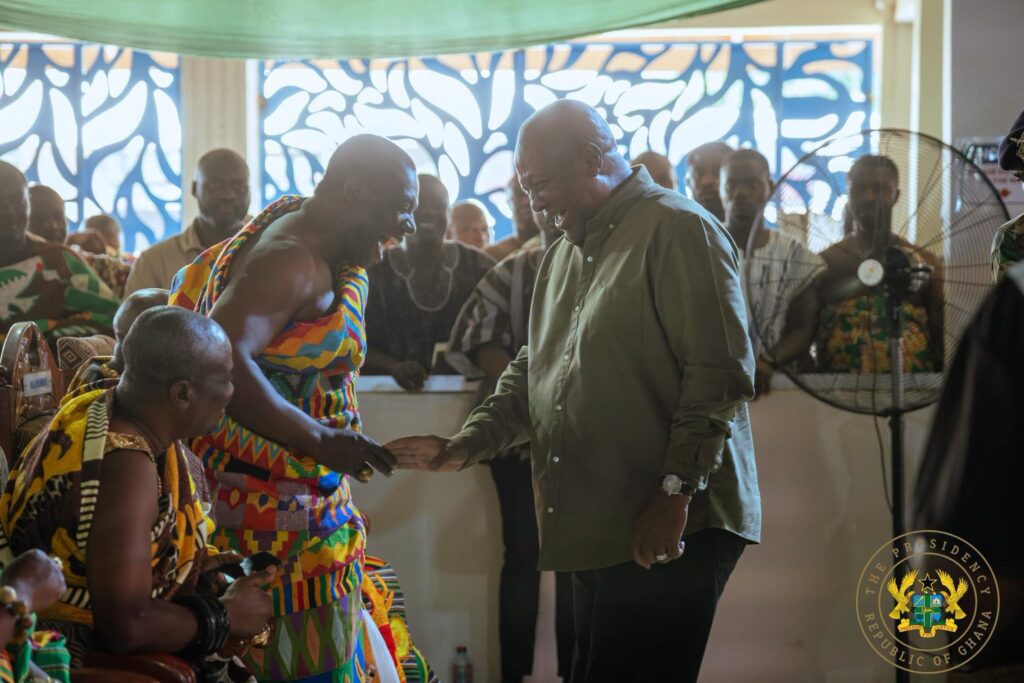
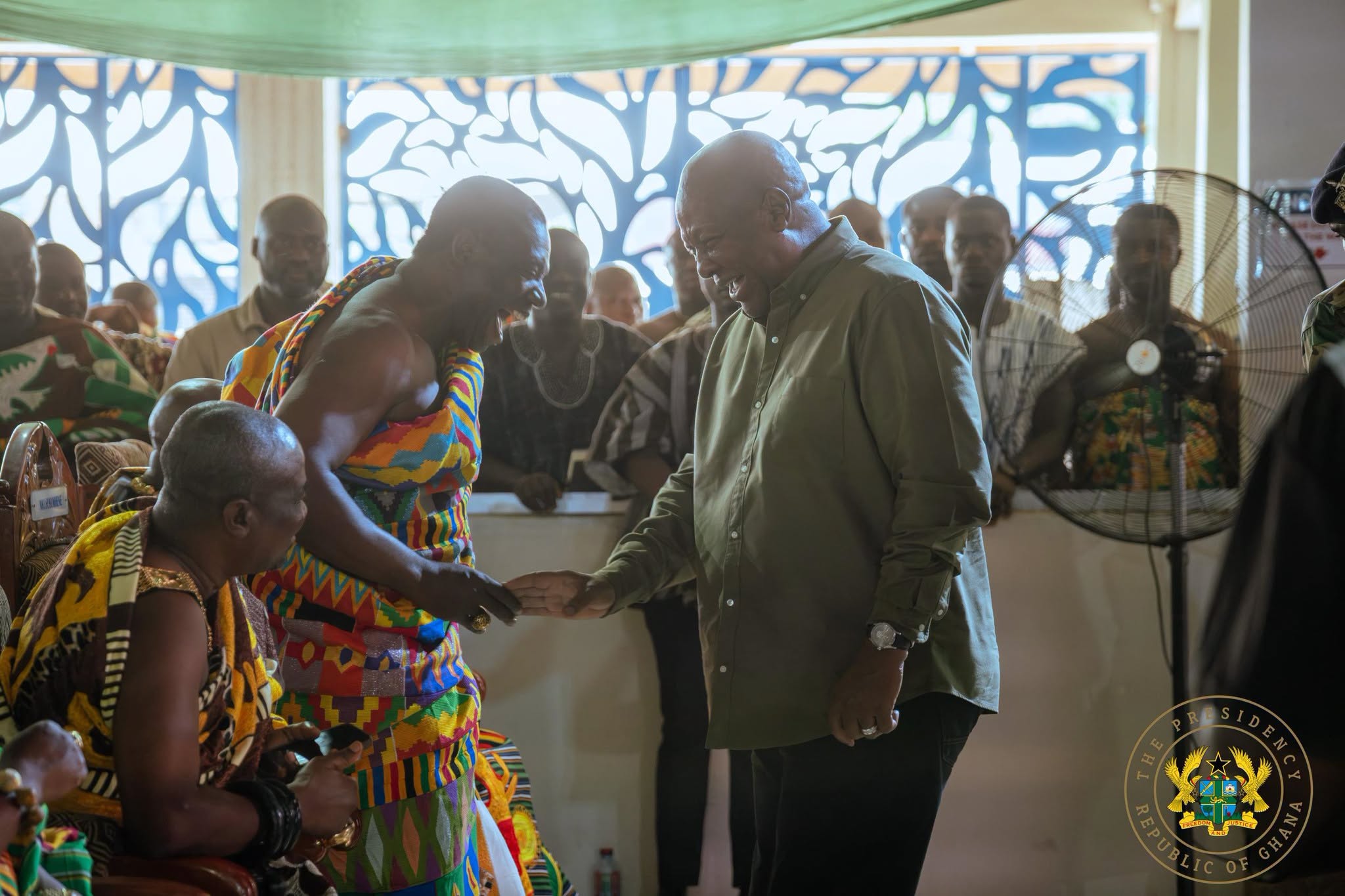
Speaking during his tour of the Central Region on Saturday, June 27, President Mahama said the ongoing negotiations are aimed at restoring production at the factory, which has remained largely inactive since it was commissioned in 2016.
According to the President, efforts to revive the factory did not begin under his administration but were initiated by the previous government. He said the Ministry of Trade has since continued engagements with the investor, reviewing a proposal to restart operations.
President Mahama disclosed that the investor has requested a ban on imported refined sugar to guarantee a ready market for locally produced sugar. However, he stressed that the government would first assess the investor’s capacity before considering such a policy.
“What he wanted was a ban on imported sugar so that he would have the local market. But we also need to assess his capability before we issue a ban. Otherwise, supply may not be able to meet demand,” the President said.
He explained that discussions with the investor are still ongoing, adding that the government may gradually reduce sugar imports in the future to create space for local production while ensuring the country’s demand is met.
“We are still engaging the investor and we may gradually reduce imports to create space for local production while ensuring that the country’s demand is adequately met,” President Mahama added.
The Komenda Sugar Factory, located in the Central Region, was commissioned in 2016 with the expectation of boosting Ghana’s sugar industry and creating employment. However, the facility has remained dormant despite several attempts by successive governments to revive it.
Residents of the Central Region have welcomed the latest development with optimism, hoping the renewed efforts will finally restore operations at the factory, create jobs, and stimulate economic activity in the area.