

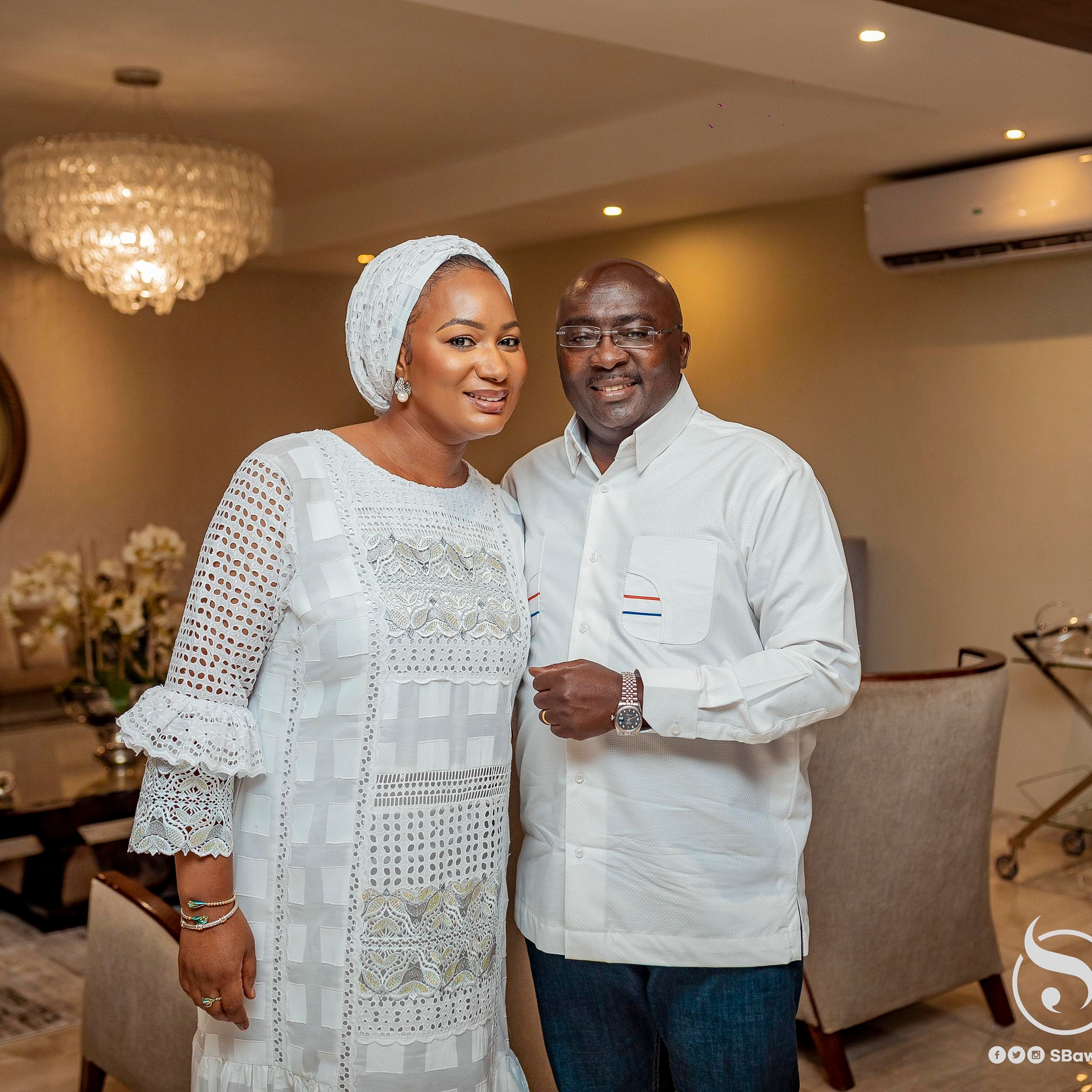
The Government of Ghana has confirmed the safe evacuation of former Vice-President and New Patriotic Party (NPP) flagbearer for the 2028 general election, Mahamudu Bawumia, and his wife, Samira Bawumia, from Qatar to an undisclosed country amid escalating tensions in the Middle East.
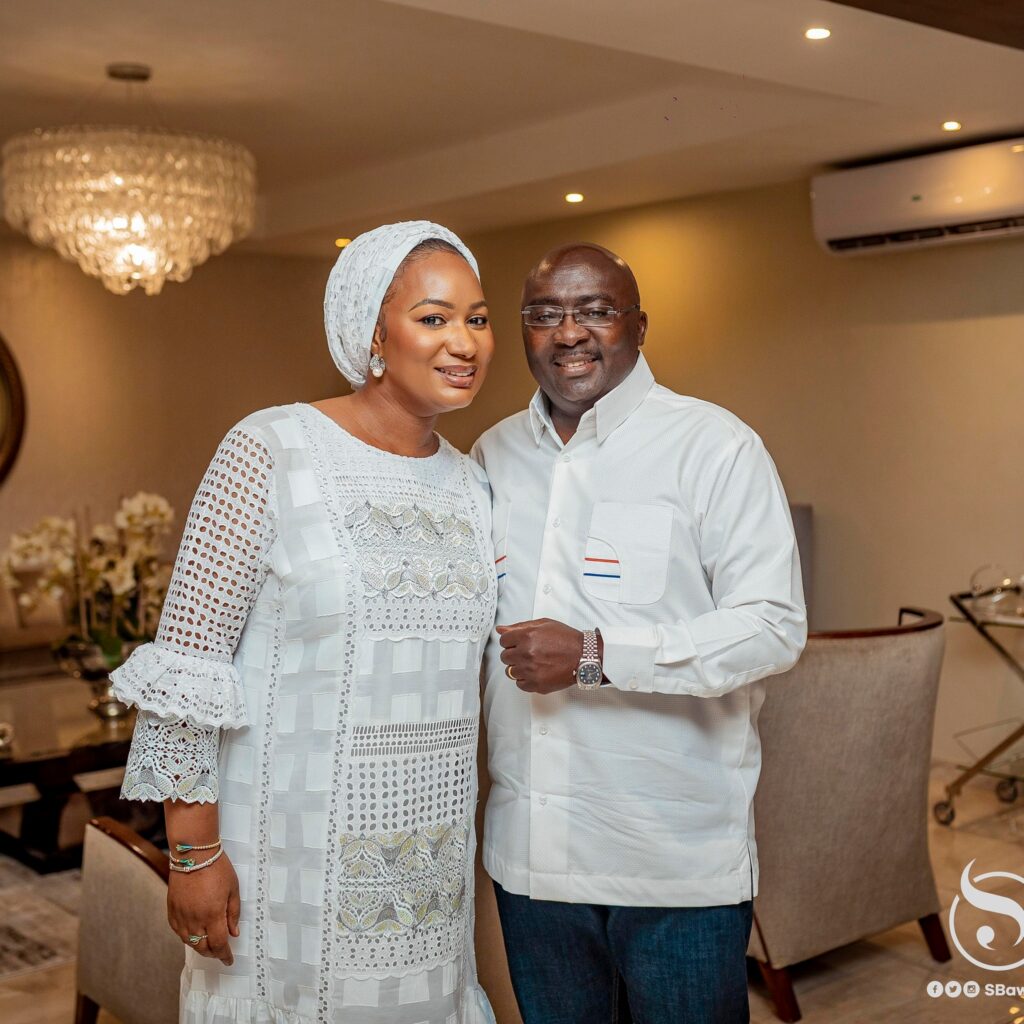
Diplomatic sources say the relocation was carried out swiftly and discreetly following heightened security concerns linked to the worsening regional crisis.
The operation was coordinated by Ghana’s diplomatic missions in the Middle East under the direct instructions of the Minister for Foreign Affairs, Samuel Okudzeto Ablakwa.
Acting on behalf of the Government of Ghana, the Minister directed Ghanaian embassies in the region to take immediate steps to guarantee the safety of Dr Bawumia, his wife, and members of their entourage.
Embassy officials worked closely with host authorities to facilitate secure travel arrangements. Although operational details remain undisclosed for security reasons, officials described the evacuation as smooth, efficient, and well-coordinated.
Government Monitoring Situation
The Ministry of Foreign Affairs says it is working around the clock to safeguard all Ghanaians residing in, or travelling through, affected parts of the Middle East.
Authorities indicated that monitoring efforts remain ongoing, with embassies placed on high alert to provide consular protection and emergency assistance where necessary.
Government sources further disclosed that contingency plans have been activated to respond to any rapid deterioration in security conditions across the region.
Escalating Middle East Crisis
The evacuation comes as the Middle East grapples with one of its most intense regional crises in recent years, following a sharp escalation in hostilities involving the United States, Israel, and Iran.
At the centre of the unrest is the 2026 Strait of Hormuz crisis, which began on 28 February 2026 after coordinated military strikes by the United States and Israel targeted Iranian military facilities and senior leadership structures. The strikes triggered retaliatory missile and drone attacks by Iran, rapidly expanding the conflict beyond traditional theatres.
The Strait of Hormuz — a vital maritime chokepoint through which roughly 20 percent of global crude oil shipments pass — has since experienced significant disruption, with maritime traffic severely affected.
The impact of the conflict has extended well beyond the battlefield. Several Gulf states have temporarily closed portions of their airspace, international flights have been disrupted, and geopolitical uncertainty has intensified across global markets.
The United Nations has warned that the deepening violence is exacerbating civilian suffering and complicating humanitarian relief efforts in affected areas.
Ghana’s Response
In response to the deteriorating security environment, the Government of Ghana has activated emergency preparedness measures. In recent days, diplomatic personnel have been evacuated from Tehran and other identified hotspots as a precautionary step.
Officials say the government remains committed to ensuring the safety and welfare of all Ghanaian nationals abroad and will continue to assess the situation as developments unfold.
The Ministry of Foreign Affairs has urged Ghanaians in the region to remain in close contact with Ghanaian embassies and to adhere strictly to official travel advisories.