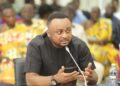


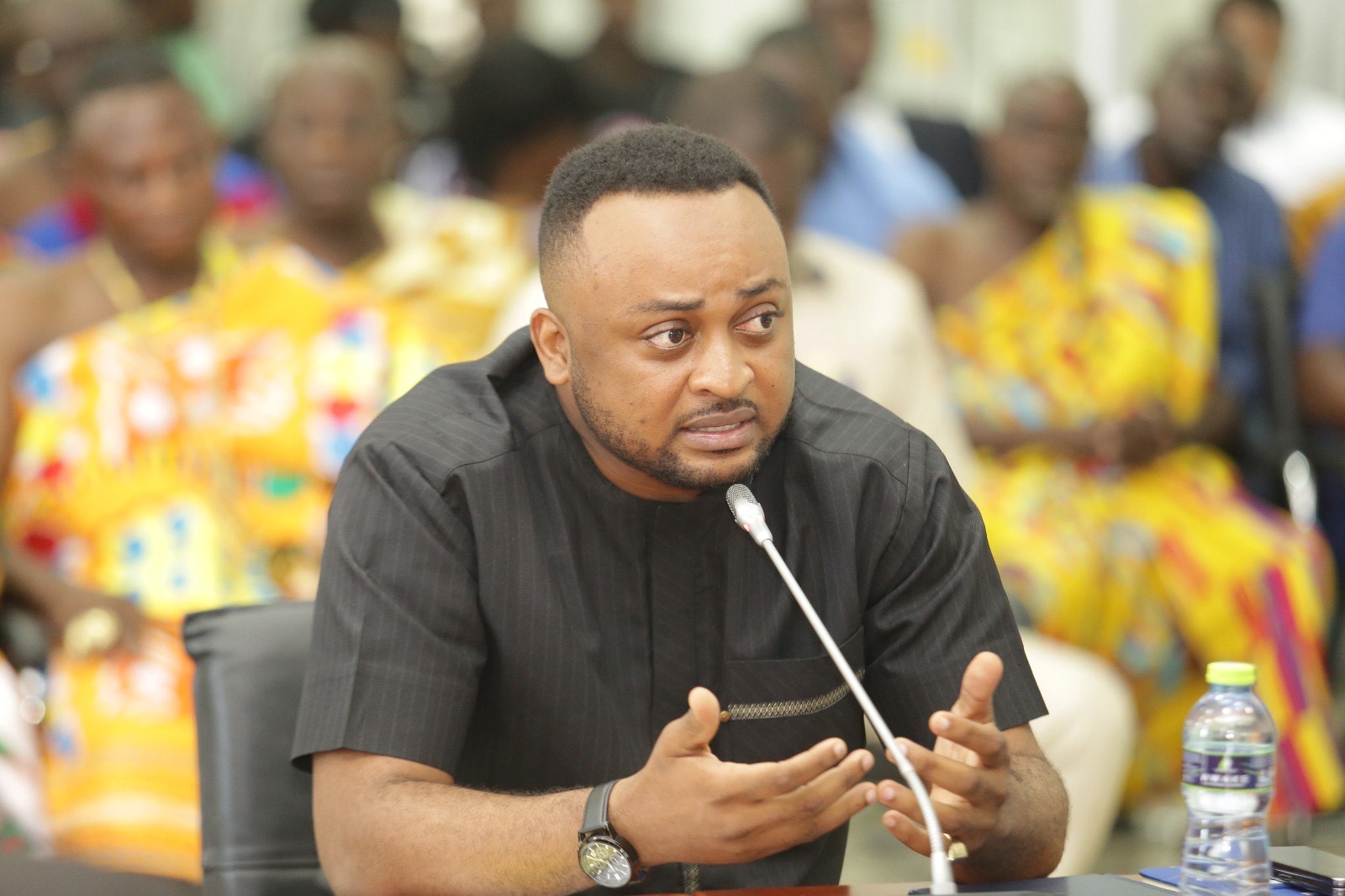
Ranking Member of Parliament’s Youth and Sports Committee, Vincent Ekow Assafuah, has been drawn into the controversy surrounding Ghana’s expenditure on tickets for the 2026 FIFA World Cup.
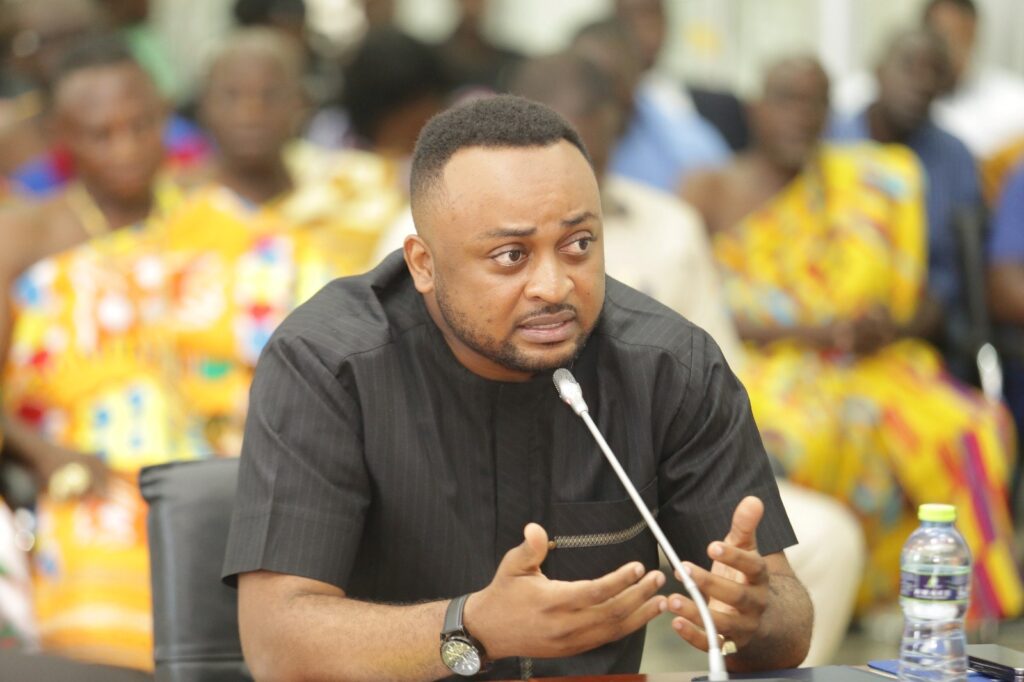
Sports and Recreation Minister Kofi Adams disclosed that three tickets for Ghana’s opening group-stage match against Panama were allocated to Assafuah.
According to the Minister, each of the tickets carried a FIFA face value of US$450, putting the face value of the three tickets at US$1,350.
Adams made the disclosure while explaining the government’s wider expenditure on tickets for Ghana’s World Cup campaign.
The Ministry of Sports and Recreation spent approximately US$1.26 million to procure 2,922 tickets for Ghana’s three group-stage fixtures against Panama, England and Croatia.
The breakdown presented to Parliament showed that 948 tickets were secured for the Panama encounter, 1,000 for the England match and 974 for the game against Croatia. The Ministry said the prices included a 10 percent administrative charge permitted by FIFA.
The tickets were distributed among several groups, including the Ghana Supporters Union, Ghana’s diplomatic missions in the United States and Canada, Ghanaians living in the diaspora, the Ghana Students Association, members of the government delegation and selected officials of the Ghana Football Association.
However, the disclosure involving Assafuah has attracted particular attention because of his role in demanding greater transparency over the government’s World Cup spending.
Assafuah has been calling for a detailed account of the expenditure, including information on ticket allocations, operational costs and other payments connected to Ghana’s participation in the tournament.
The Old Tafo MP has, however, rejected the suggestion that the three tickets were a personal allocation.
In a response to the Minister’s comments, Assafuah confirmed that he received three tickets but said they were allocated to members of Parliament’s Sports Committee through the Clerk of Parliament.
He explained that the allocation was made following a direction from the committee’s Vice Chairman, Solomon Kuyon, and was not intended for his personal use.
Assafuah further stated that the arrangement covered Sports Committee members who were in the United States, including committee Chairman Ernest Henry Norgbey and lawmakers from both sides of the political divide.
The disagreement has therefore shifted attention from the overall US$1.26 million ticket bill to the process through which individual tickets were distributed.
The Sports Minister has maintained that the tickets were procured for distribution and not for commercial resale, while Parliament continues to scrutinise the government’s expenditure relating to Ghana’s participation in the tournament.
Assafuah has insisted that the central issue is broader accountability, arguing that questions surrounding the World Cup expenditure should not be reduced to the allocation of three tickets.
The development adds another layer to the ongoing parliamentary examination of the financial arrangements surrounding Ghana’s 2026 World Cup campaign.